
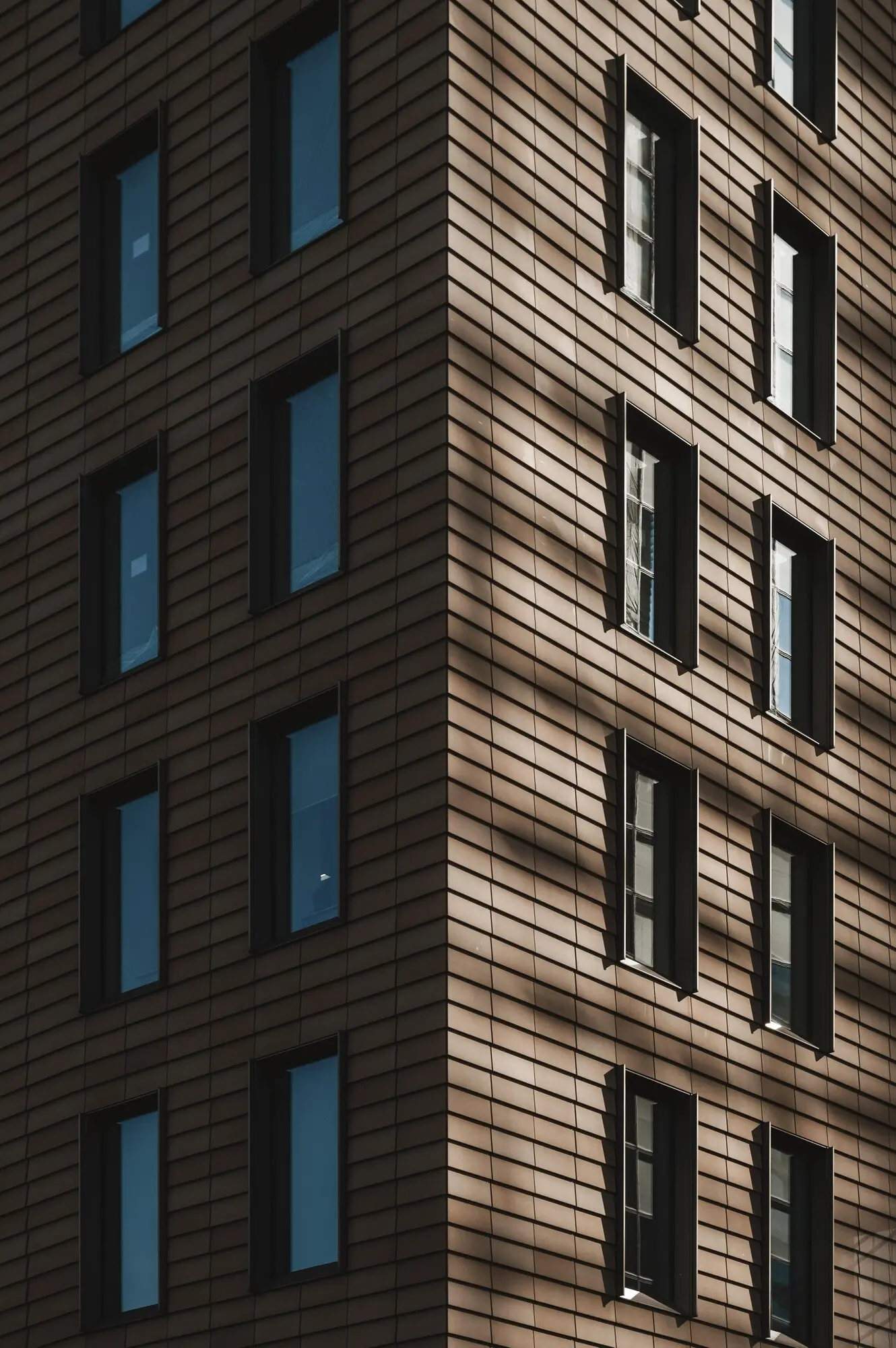
Let the Day In

Today we explore Daylight-First Home Design—an approach that prioritizes natural light in every decision, from where a house sits on its site to the color of a windowsill. Expect brighter rooms, calmer mornings, lower energy bills, and spaces that feel alive. I’ll share small wins like a kitchen that catches sunrise year-round and proven strategies you can try this weekend. Join the conversation in the comments, subscribe for deeper guides, and tell us where daylight already makes your home sing, and where it needs a little chorus.

Mapping the Sun, Reading the Site

Before moving furniture or choosing paint, begin outdoors by watching how the sky actually behaves around your home. Track the sun during solstice and equinox, note wind and neighborhood noise, and map shadow lengths at different hours. A simple compass app and a patient morning can reveal generous southern exposures, overlooked eastern glow for breakfast, or a tricky western corner craving shade. This gentle reconnaissance transforms guesswork into clarity, pairing light with the rooms you cherish most every single day.

Openings That Welcome the Sky

Glass that works for you

High-performance glazing blends clarity with comfort. Look for low-e coatings that block excessive infrared heat while preserving a crisp color rendering, and match solar heat gain coefficients to orientation and climate. Double or triple panes improve insulation, reducing drafts near seating. Remember visible transmittance matters: too dark and rooms feel flat; too bright and glare steals the show. When tuned correctly, glass behaves like a silent climate partner, pouring in usable daylight while protecting focus, art, and fabrics.

Skylights, roof windows, and sun tubes

Overhead apertures invite balanced light that spreads evenly, reducing harsh contrasts at eye level. Roof windows add views of clouds and trees, while sun tubes sneak daylight into interior rooms starved of windows. Flashing details and curb heights are critical to prevent leaks and manage snow. Angle wells with high reflectance finishes to boost diffusion without glare. A well-placed skylight can turn a hallway into a gallery, a stair into a sanctuary, and an interior bath into a serene retreat.

Frames, mullions, and the view

Slimmer frames increase visible glass area, yet well-placed mullions can elegantly scale a view and temper brightness. Align muntins with cabinet lines, tile courses, or railings to create visual harmony. Lower sills connect interiors with garden beds, while higher sills lend privacy in urban settings. Dark frames can reduce perceived glare by framing brightness, whereas light frames blend into walls and bounce illumination. Every profile decision subtly shapes how daylight feels, travels, and is quietly celebrated each day.

Rooms that Glow, Plans that Flow

Layout turns isolated bright spots into a coherent daylight journey. Start by giving priority to daily rituals: breakfast nooks bathed in morning light, reading corners near soft northern glow, and playrooms that never feel gloomy. Borrow light by opening interior partitions, aligning doorways, or inserting transoms that pass brightness like friendly whispers. A well-considered plan lets light travel, stretch, and settle, transforming small homes into buoyant, legible places where movement and mood rise together with the sun.

Comfort Without Compromise

Daylight should never arrive with headaches, hotspots, or faded textiles. Pair generous openings with shading that thinks seasonally and devices that tame reflections without killing the sparkle. Exterior strategies intercept heat before it enters; interior layers fine-tune mood through the day. Coordinate glazing properties, ventilation, and insulation so light and comfort rise together. The goal is simple: rooms that invite you to linger near windows, nap on sofas, and read in corners without squinting, sweating, or second thoughts.

Surfaces That Bounce and Soothe

Light is only as kind as the surfaces it kisses. Colors, textures, and gloss levels shape how brightness spreads, calms, or dazzles. High light reflectance values on ceilings and upper walls amplify daylight without harshness, while matte finishes preserve softness and reduce glare. Darker, tactile elements can ground a space near the floor, letting eyes rest. With smart layering, you choreograph contrast that flatters skin tones, protects focus for reading, and helps photos look beautifully natural without effort.

Choosing paint with intention

Look beyond color names to light reflectance values. A crisp off-white ceiling with a high LRV can rebound light deep into a plan, while slightly warmer walls keep the mood welcoming. Select matte or eggshell to quell specular glare in sunny rooms. Test large samples at different times of day; daylight shifts hue perception more than bulbs do. The right combination delivers creamy, forgiving light that flatters faces, art, and food, making everyday moments quietly photogenic and kind.

Floors, ceilings, and contrast

Floors absorb more light than we imagine; a medium-tone wood can anchor glare while still reflecting a gentle glow. Glossy tiles near windows may produce distracting hotspots, so favor satin finishes where sun lands strongest. Keep ceilings as your brightest plane to maintain uplift and volume. Introduce controlled contrast at eye level to shape depth for photos and reduce eye strain. These calibrated surfaces turn raw daylight into a composed ambiance that feels intentional, timeless, and restful.

Mirrors and bright furnishings

Mirrors can extend light dramatically, but restraint keeps them elegant. Place one opposite a shaded garden to pull greenery indoors, or near a corridor bend to coax glow deeper. Pale rugs, linen sofas, and lightly colored bookcases become soft reflectors, distributing brightness evenly. Glass cabinet doors sparkle without glare when backed by matte shelves. By treating furniture as mobile light tools, you refine the atmosphere gently, improving wayfinding, elevating moods, and keeping rooms lively throughout short winter days.


Life, Mood, and Daily Rituals

Xarikaropexikentovirotemi
Privacy Overview

This website uses cookies so that we can provide you with the best user experience possible. Cookie information is stored in your browser and performs functions such as recognising you when you return to our website and helping our team to understand which sections of the website you find most interesting and useful.