
Designing Homes that Follow the Sun
Step inside a design conversation where daily life and daylight cooperate effortlessly. We explore daylight-driven floor plans, organizing rooms by sun path and everyday routines, turning orientation into comfort, productivity, and delight. Expect practical strategies, insightful stories, and actionable tips you can apply immediately, whether renovating a city apartment or planning a new family home. Share your questions, subscribe for upcoming sketches, and help shape our next experiments with light.

Charting the Sun’s Journey Across Your Home
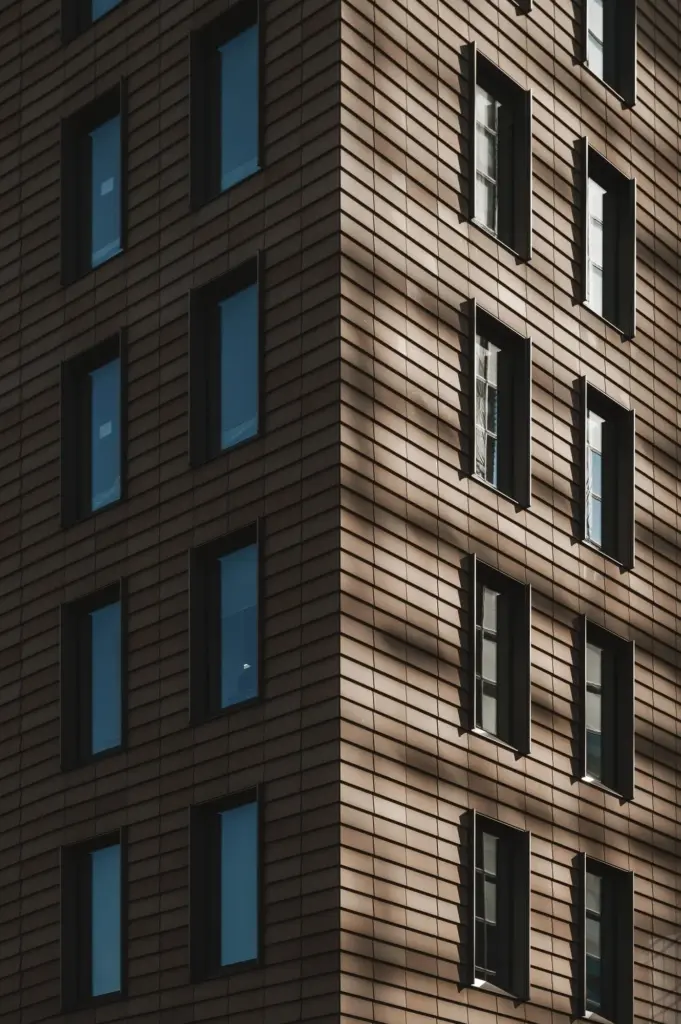
Before moving a single wall, learn how the sun arcs across your specific site and how that movement intersects with the rhythm of your days. In the northern hemisphere, south receives generous midday light, east wakes gently, west glows warmly yet can overheat, and north offers stable, diffuse illumination. Walk your space at different hours, note temperatures, glare, and shadows, and compare observations over a week. This patient mapping turns guesswork into dependable, embodied knowledge.

Breakfast Nook with East Glow
Anchor a compact table where first light lands, pairing it with high-back seating to diffuse brightness at eye level. Place mugs, cereals, and fruit within arm’s reach so mornings move intuitively. A pendant with warm dimming bridges cloudy days, preserving ritual without forcing brightness. Track how conversation and appetite change across seasons; many families report calmer starts when sunlight, not alarms, cues movement. Add a plant that thrives in morning rays to celebrate reliable beginnings.
Wakeful Bedrooms and Gentle Light Alarms
Position the bed to greet dawn indirectly, catching reflected light rather than a blinding blast. Layer sheer curtains for gradual brightening, and heavier drapery for weekends. Opt for matte wall finishes to calm reflections and keep circadian cues steady. A sunrise-mimicking lamp can smooth early winter transitions, pairing with east windows for summer. Keep screens dark until after natural light reaches your eyelids; that single discipline often transforms energy levels and morning mood.
Early-Task Corners for Yoga, Reading, and Stretching
Carve a compact mat-length bay that receives angled morning rays, then maintain open wall space for breathing room. A low shelf with resistance bands, blocks, and a favorite anthology invites quick, nourishing sessions. Rugs with subtle pattern help you align posture and anchor routines. Test sightlines to avoid staring into glare during forward folds or page turns. Over time, you’ll associate this soft-lit sanctuary with progress, not pressure, building momentum before distractions gather.
Work and Creativity in Calm, Even Light
{{SECTION_SUBTITLE}}

North-Facing Studios that Tame Glare
Set easels and benches where skylight or north windows wash surfaces evenly, revealing true color without harsh hotspots. Add adjustable task lamps for detail work, but keep bulbs high CRI so pigments remain honest. Matte floors and tabletops prevent sneaky reflections while still bouncing enough light for comfort. Pin a daylight map above your table to record when work feels best. Over months, you’ll curate dependable slots for sketching, assembly, and critique.

Balanced Home Offices for Calls and Focus
Place your webcam at ninety degrees to the window, letting soft side light flatter faces and minimize blown-out backgrounds. Use light shelves or pale desktops to diffuse brightness across paperwork. A slim roller shade tames noon spikes without plunging the room into cave mode. Position shelving behind you for visual depth in calls. Keep a five-minute glare check on your calendar; tiny curtain tweaks at lunch can rescue the entire afternoon’s productivity.


Gathering Spaces that Welcome the Afternoon and Evening
Social zones benefit from luminous warmth that invites people to linger. South and west edges gather golden tones perfect for conversation, board games, homework help, and unhurried cooking. Balance this charisma with shading, ventilation, and materials that resist late-day heat spikes. Offer multiple seating depths so every guest finds comfort, from window-perch storytellers to sofa-sink loungers. Let surfaces glow, not glare, and consider dim-to-warm lighting that carries the baton gracefully as twilight settles outside.
Comfort Controls: Shade, Thermal Mass, and Smart Glazing
Daylight planning succeeds when brightness feels kind and temperatures stay steady. Combine passive elements—overhangs, light shelves, louvers, deciduous plantings—with targeted active tools like roller shades, low-e coatings, and ceiling fans. Expose thermal mass where late sun lands to store warmth without glare. Choose finishes that scatter light softly, avoiding mirror-like surfaces in intense orientations. Precise layering replaces extremes with supple adjustability, preserving views, color fidelity, and comfort through wide seasonal swings and unpredictable weather.

Passive Moves with Big Impact
Calibrate overhang depth to summer sun angles so high rays are screened while low winter light penetrates comfortably. Light shelves bounce illumination deep into rooms, smoothing contrast. Exterior shades stop heat before it sneaks inside. Plant deciduous trees westward to filter fiery afternoons but allow winter cheer. Pair these with tall, matte ceilings that spread luminance. Together, such quiet decisions reduce mechanical loads and deliver a gentle indoor climate tuned by the sky itself.

Active Controls That Learn Your Rhythm
Motorized shades tied to sunrise and sunset automate comfort without micromanaging. Smart thermostats anticipate solar gains, pre-cooling or pre-heating as needed. Sensor-dimmed lights maintain consistent brightness when clouds race past. Program scenes for breakfast, deep work, and movie night, then adjust seasonally. Keep manual overrides prominent to honor personal preferences. When technology supports, rather than dictates, your routine, daylight remains the star while systems gracefully fade into the background of everyday living.

Materials that Bounce, Soften, and Store Light
Pale, matte paints scatter illumination farther with minimal glare. Limewash subtly textures walls, breaking up reflections. Honed stone on sunlit floors absorbs warmth and releases it slowly after dusk. Sheer linen filters spectacle into serenity, while microprismatic diffusers tame zenith skylight. Use warm-toned woods to balance cool daylight on gray days. Mock up samples in real light before committing; the same swatch transforms from magical to messy depending on angle, season, and hour.

Quick Measurements You Can Do This Weekend
Print a floor plan, then mark comfort levels at three times daily for a week: sleepy, alert, overheated, glare. Use a simple lux app to compare corner-to-corner brightness. Tape a thermometer near your sunniest wall. Photograph ceilings to read light distribution. These modest data points tell a persuasive story, empowering decisions like swapping a rug, rotating a desk, or adding a slim roller shade that unlocks dramatic gains for almost no cost.
Simulation Tools and What Their Numbers Mean
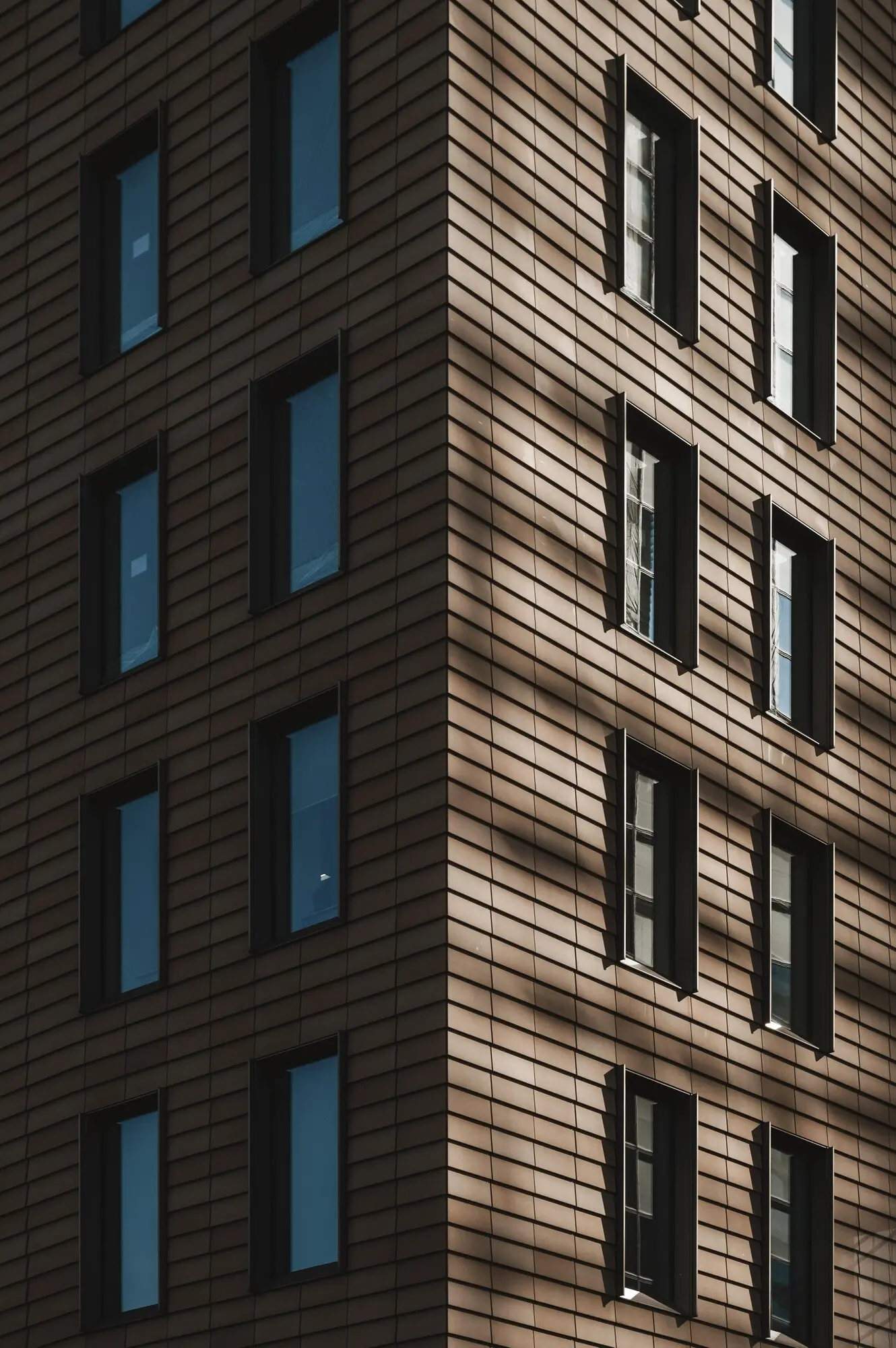
Climate-based daylight modeling predicts how real skies behave across the year. Spatial Daylight Autonomy estimates where daylight suffices for work, while Useful Daylight Illuminance judges ranges that actually feel comfortable. Annual Sunlight Exposure flags hotspots prone to overheating or glare. Treat simulations as guides, not verdicts, and verify with on-site observations. When numbers and lived experience align, decisions crystallize confidently, saving you expensive redesigns while honoring the spirit of everyday routines.

Feedback Loops: Journals, Photos, and Small Tweaks
Keep a weekly daylight journal with quick notes about mood, tasks accomplished, and any discomfort. Pair entries with fixed-angle photos for honest comparisons. Implement one small change—curtain height, mirror position, plant placement—then observe for seven days before adding another. Invite housemates to contribute impressions, including children, whose sensitivities reveal blind spots. These iterative, human-centered loops nurture a home that learns alongside you, storing wisdom gracefully, the way sunbeams linger on well-loved floors.
All Rights Reserved.